
Prepare Your Somerset County Home for Sale With Confidence
June 11, 2026
June 11, 2026
Wondering how much you really need to do before you put your Somerset County home on the market? In a fast-moving market, the right preparation can help you attract stronger interest, avoid preventable delays, and feel more confident from day one. If you want a clear plan that helps you focus on what matters most, you are in the right place. Let’s dive in.
Somerset County has shown signs of a brisk market. Recent snapshots reported homes selling close to asking price, with median days on market ranging from about 16 to 26 days depending on the source and methodology.
That kind of pace can work in your favor, but it does not mean you should skip the prep work. In a market where buyers move quickly, homes that feel clean, well cared for, and easy to understand online often have the advantage.
Before you think about photos or showings, focus on the basics that remove friction for buyers. National staging research shows agents most often recommend decluttering, cleaning the entire home, and improving curb appeal.
That same research found that staging can help reduce time on market, and many agents reported it increased the dollar value buyers offered. For you, that means the prep work is not just cosmetic. It can support both speed and value.
A smart pre-listing plan usually looks like this:
This order matters. If you stage too early or take photos before the home is fully ready, you may end up doing things twice.
Decluttering is one of the most recommended pre-listing steps, and for good reason. It helps your home feel more spacious, more organized, and easier for buyers to picture in their own way.
As you go room by room, remove anything that makes the space feel crowded or distracting. Clear countertops, simplify shelves, and pack away items you do not need every day.
Research shows buyers pay especially close attention to the living room, primary bedroom, and kitchen. If you are short on time or budget, start there.
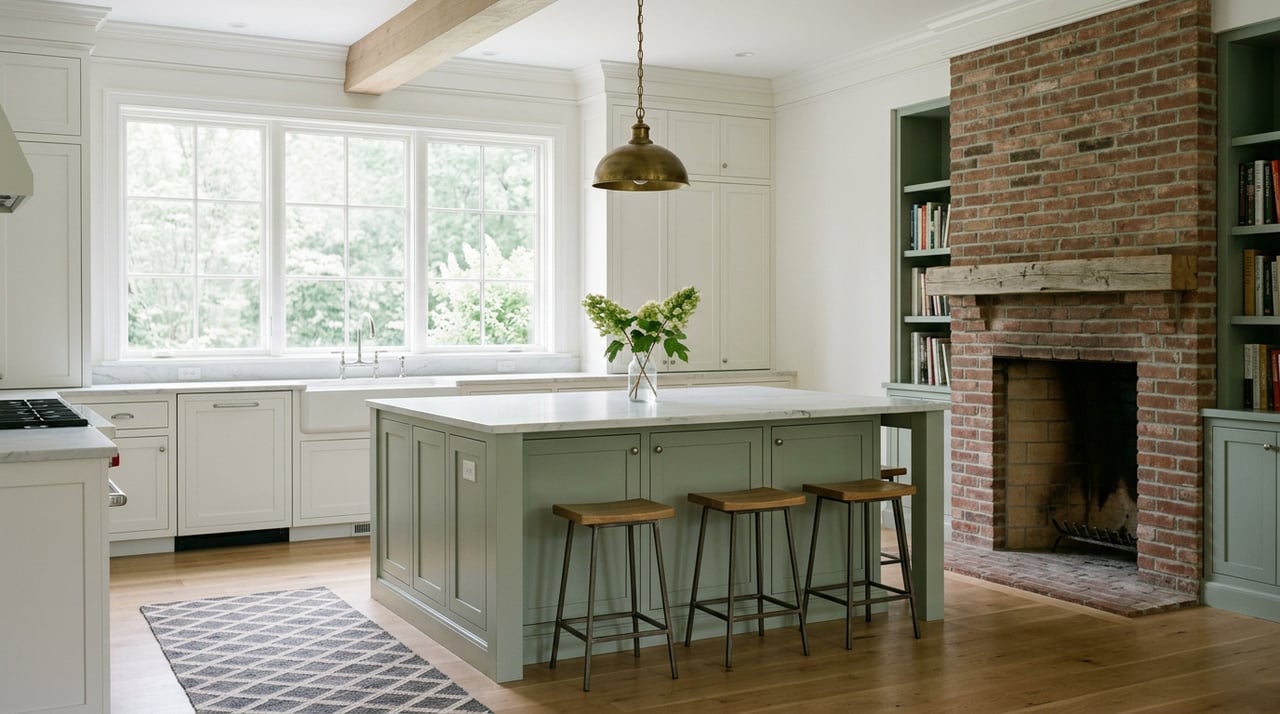
In the living room, aim for open seating areas and clear walking paths. In the primary bedroom, reduce extra furniture and keep surfaces simple. In the kitchen, clear counters, organize pantry areas, and make the space look clean and functional.
A clean home sends a strong message that the property has been cared for. It also helps photos look sharper and in-person showings feel more inviting.
Go beyond routine tidying. Wash baseboards, clean windows, scrub bathrooms, wipe cabinets, and pay attention to floors, grout, and light fixtures.
If you have pets, be especially mindful of odor and hair. Buyers may notice smells quickly, even if you have become used to them over time.
You do not need to renovate everything before you sell. In many cases, the most valuable updates are the simple ones that prevent buyers from focusing on small flaws.
Walk through your home with fresh eyes and make a list. Tighten loose hardware, replace burnt-out bulbs, patch nail holes, touch up paint, fix dripping faucets, and make sure doors open and close properly.
Focus first on items that affect a buyer’s first impression or raise questions about maintenance. Cosmetic wear that is easy and affordable to correct is often worth handling before the home goes live.
If you are deciding between projects, think practical rather than perfect. The goal is to present a home that feels cared for, not to take on every possible upgrade.
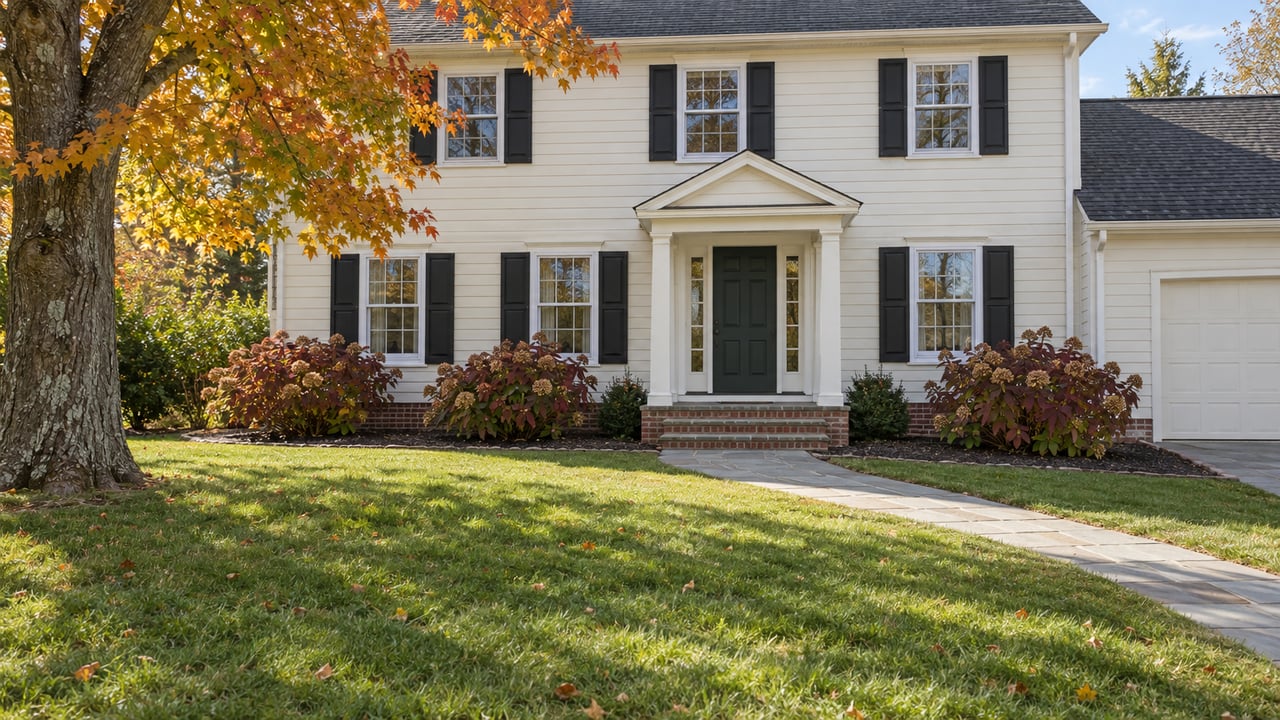
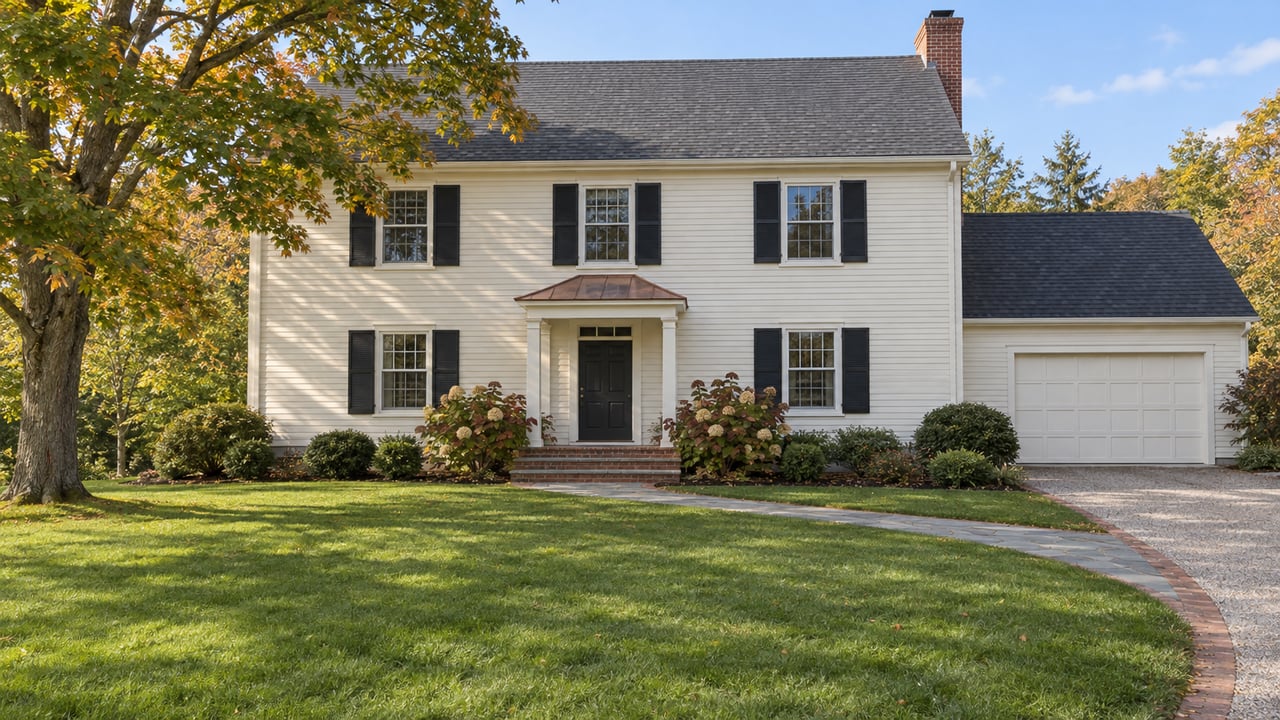
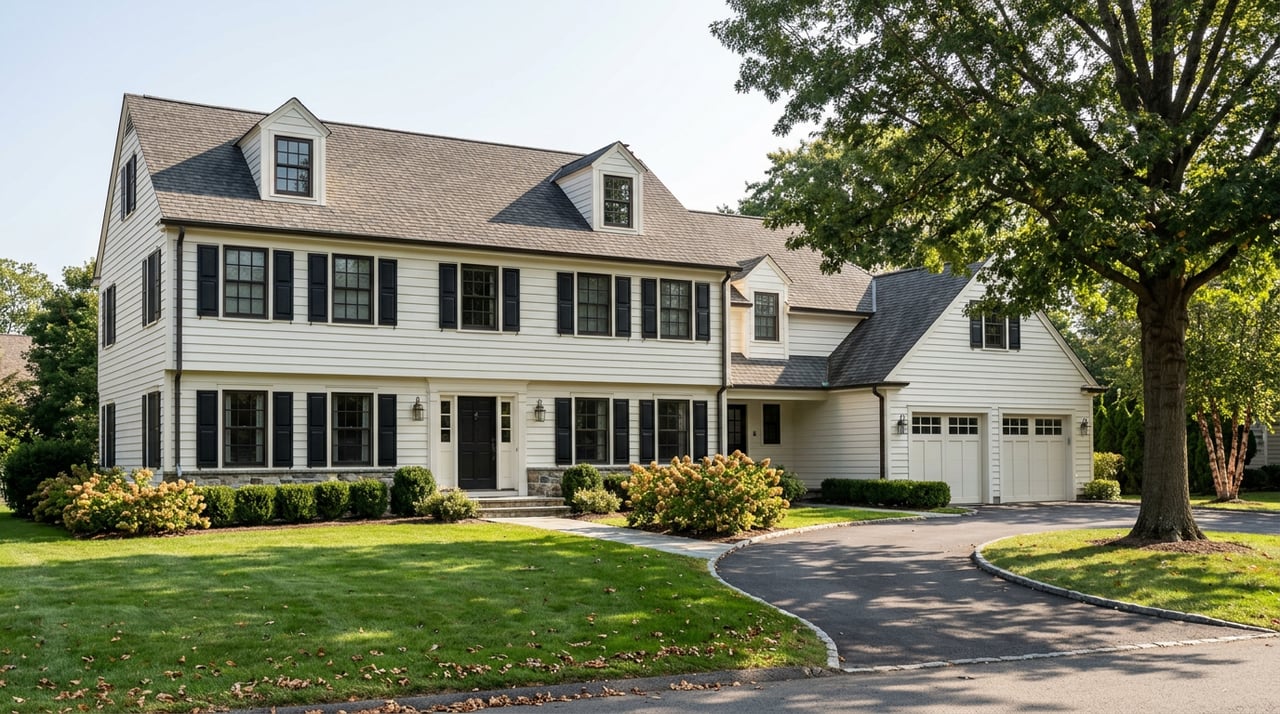
The exterior is the first thing buyers see online and in person. Even in a strong market, curb appeal can shape expectations before a buyer ever steps inside.
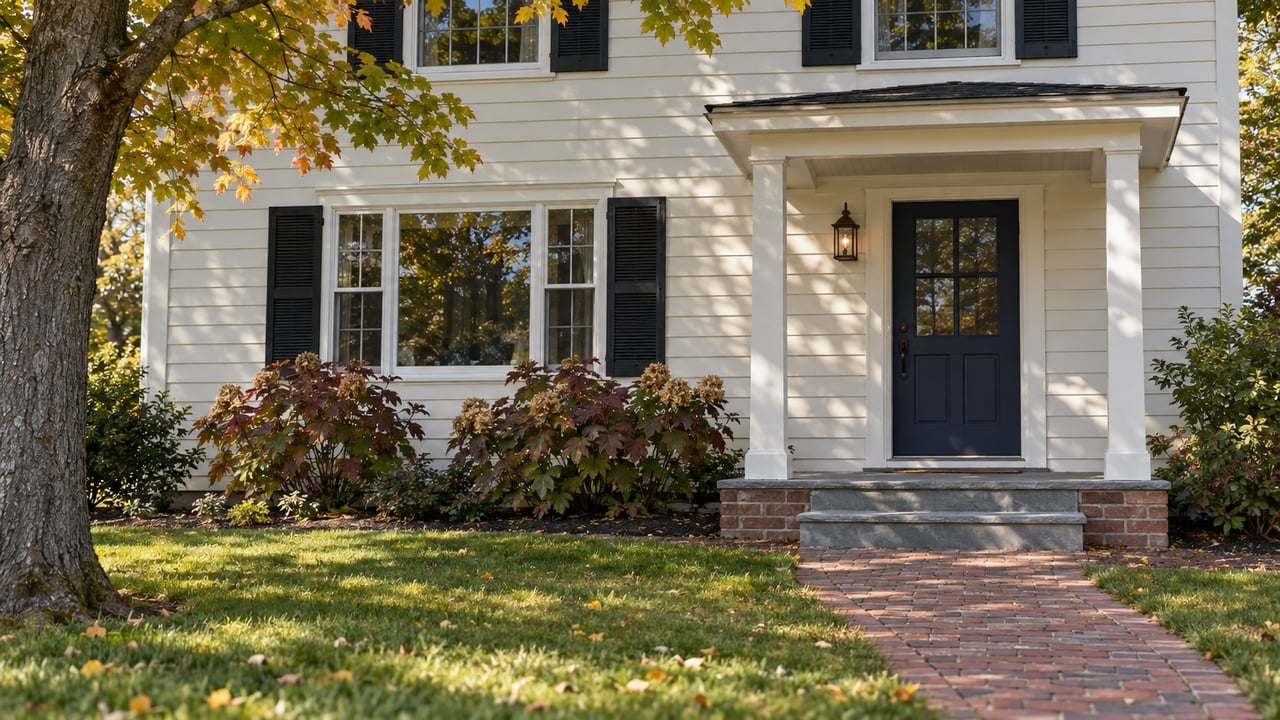
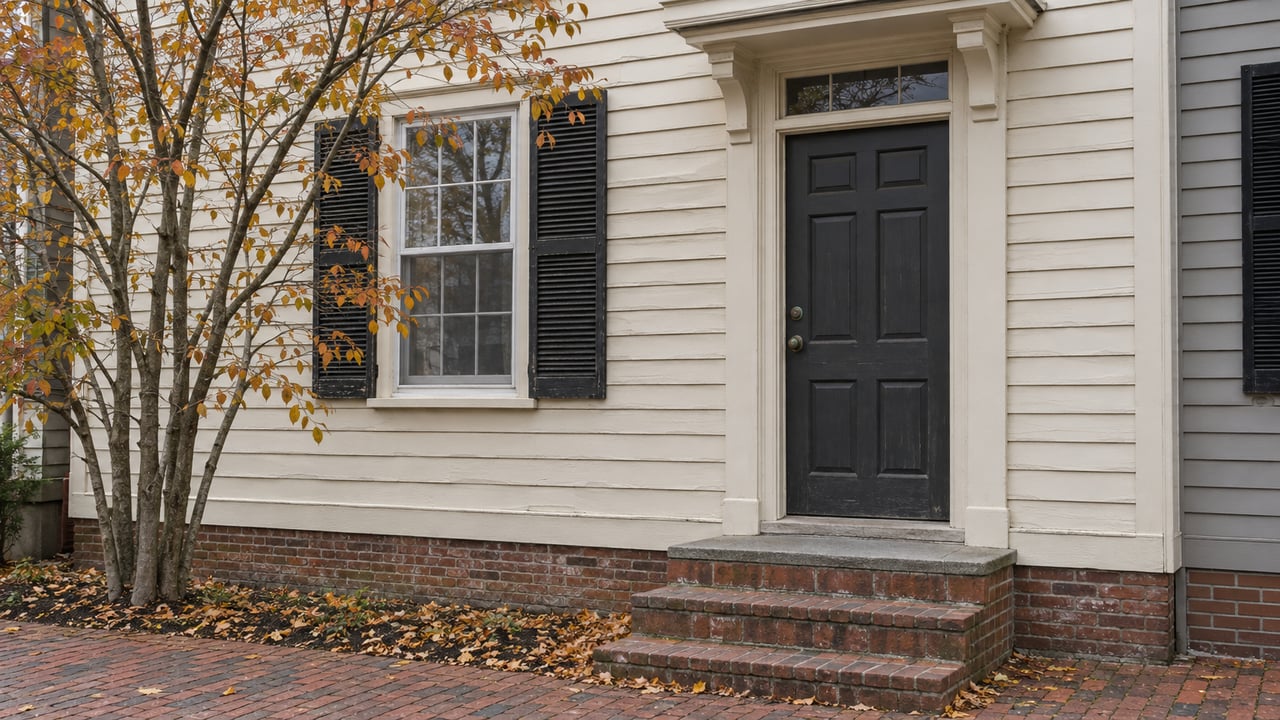
Start with simple improvements. Mow the lawn, edge walkways, trim shrubs, refresh mulch if needed, remove debris, and make sure the front entry looks clean and welcoming.
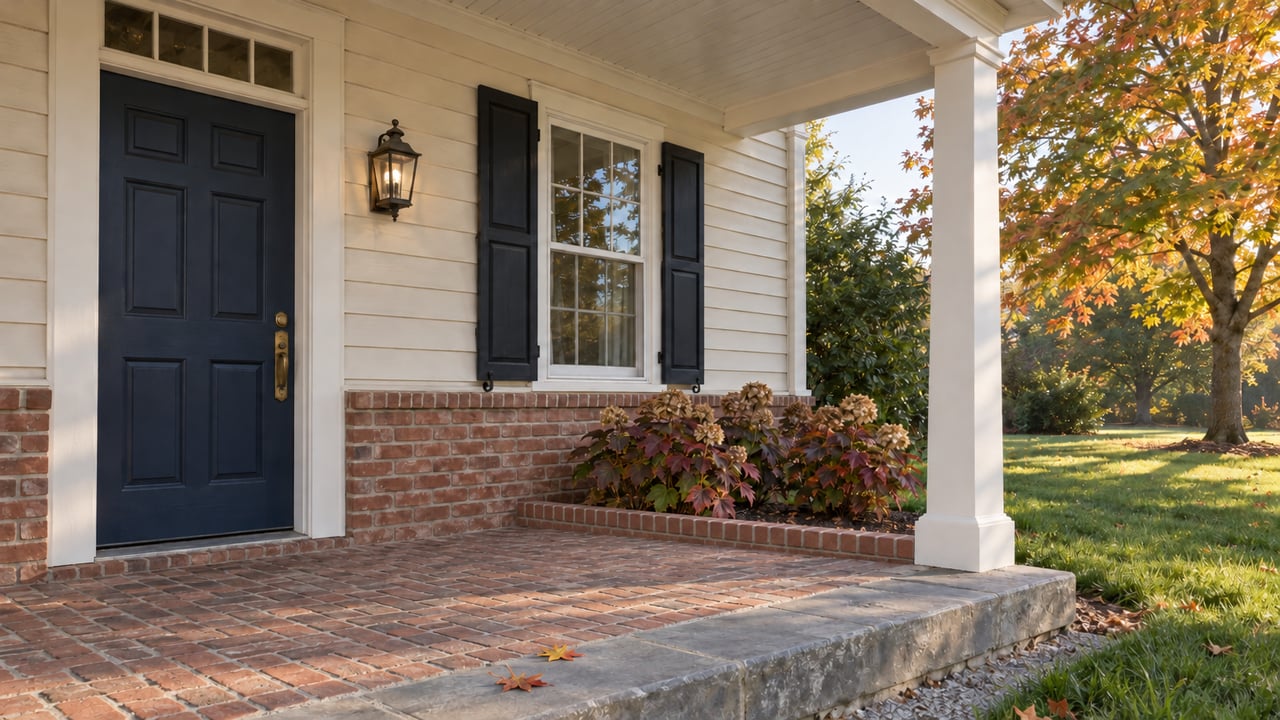
If your front door, lighting, or house numbers look worn, small updates can make a noticeable difference. Buyers often form an opinion within moments, so the goal is to create a polished and well-maintained first impression.
One of the most important steps for New Jersey sellers happens behind the scenes. Before listing, gather the records and details you may need for disclosure forms and buyer questions.
The New Jersey seller property condition disclosure form asks about topics such as roof age and repairs, basement moisture or mold, sump pumps, termite or pest damage, structural changes, permits and approvals, and past flood damage or flood claims. Pull together paperwork for repairs, contractor work, and any major systems you have updated.
Beginning March 20, 2024, New Jersey requires sellers to disclose whether a property is in FEMA’s Special Flood Hazard Area or Moderate Flood Hazard Area, along with any actual knowledge of flood risk, before the buyer becomes obligated under contract.
The state’s Flood Indicator Tool can help screen a property, but the New Jersey Department of Environmental Protection notes that the tool does not calculate actual risk and that flooding can occur anywhere. This is one reason it helps to start your prep early instead of waiting until a buyer is already in the picture.
If your home was built before 1978, federal lead-based paint disclosure rules apply. Sellers must disclose known lead-based paint information, provide available records, and give buyers an opportunity to test before signing the contract.
Sellers are not required to perform a lead inspection themselves, but they do need to follow the disclosure requirements. If your home falls into this category, gather any records you already have well before listing.
Some homes need extra lead time because of their systems or compliance items. If your property has a private well or septic system, start planning early.
Under New Jersey’s Private Well Testing Act, certain properties with private wells require water testing when sold, and title closing cannot occur until both parties have received and reviewed the results. If the home has a septic system, NJDEP guidance recommends reviewing inspection protocol and considering an inspection before purchase or transfer.
New Jersey requires a certificate of smoke alarm compliance before the sale, lease, or change of occupancy of a one-family or two-family dwelling. The certificate is valid for six months from the date of issue.
Because this is a local compliance item that can delay closing, it is smart to understand the requirements well before your target closing date. A little planning here can help prevent last-minute stress.
Your online listing is often the first showing. Buyer research found that many buyers begin their search on the internet, and photos, detailed property information, and floor plans can play a major role in what gets their attention.
That means your home should be ready for the camera before the photographer arrives. If you rush this step, your listing may not show the home at its best.
Staging is not just about open houses. It also helps your home look better in photos, videos, and virtual tours.
Keep surfaces clear, add light where possible, and make each room’s purpose obvious. The goal is to make the layout easy to understand and the spaces feel bright, calm, and inviting.
Timing still matters, even in an active market. Realtor.com’s 2026 analysis identified April 12 to 18 as the best national week to list, with homes in that window historically commanding 1.3% higher prices than the average week.
The more practical takeaway for Somerset County sellers is this: choose your target list date, then work backward. Give yourself enough time to handle repairs, disclosures, cleaning, staging, and photography before the home goes live.
Sale price is important, but it is not the whole picture. Your final net proceeds also depend on closing costs and fees.
In New Jersey, sellers should budget for the Realty Transfer Fee, and a graduated percent fee applies to certain transfers over $1 million. As you prepare for your sale, it helps to look at the full financial picture, not just the list price.
Preparing your home for sale involves more than making it look nice. You also need to decide what is worth fixing, what paperwork to gather, when to schedule each step, and how to position the home for the market.
That is where hands-on local guidance can make a real difference. With a practical plan, clear communication, and the right timing, you can move forward with more confidence and fewer surprises.
If you are thinking about selling in Somerset County, Beverly Yoson can help you build a smart prep plan, prioritize the right updates, and get your home ready for the market with steady guidance every step of the way.
Stay up to date on the latest real estate trends.

Experience a real estate partnership built on trust, expertise, and genuine care. Beverly brings a lifelong understanding of what “home” truly means to every client and every decision.